
The Power Flight Vacuum P455 manual details operation, installation, and maintenance, referencing diagrams for connections and commands, as outlined in various publications.
Overview of the P455 Vacuum System
The Power Flight Vacuum P455 system represents a significant advancement in applied vacuum technology, detailed within its comprehensive manual. This system, as referenced in academic and technical publications dating from 2009-2024, integrates various meteorological characteristics determined through diverse methods – both observational and remote sensing.
The P455’s core functionality revolves around harnessing hydro-power resources, overcoming limitations previously caused by unrealized potential. The manual includes extensive documentation, spanning potentially 432 pages and 55MB, covering operating instructions, connection schematics, and control command protocols. It’s a complex system, evidenced by the detailed parameters explained within, and designed for specialized applications requiring precise vacuum control, as explored in research concerning electrical oscillations within the cerebral cortex.
Intended Use and Applications
The Power Flight Vacuum P455, as detailed in its manual, finds application across diverse fields, extending beyond initial expectations for hydro-power resource utilization. Publications from 2024 and 2025 suggest its relevance to water transport technology, specifically concerning waterway operations and hydrography.
Furthermore, the system’s precision vacuum capabilities, documented across numerous pages (potentially exceeding 432 and 55MB in size), indicate suitability for advanced research, including studies on electrical oscillations in the brain. The manual’s inclusion of operating instructions and connection diagrams suggests a focus on both theoretical understanding and practical implementation, potentially within the realm of nuclear physics research, as evidenced by publications from the Radiy Institute.
Safety Precautions
Prior to installation, operation, or maintenance, thoroughly review this manual and all accompanying documentation to ensure safe and proper usage.
General Safety Guidelines
Always prioritize personal safety when working with the Power Flight Vacuum P455 system. Before commencing any installation, operational procedures, or maintenance tasks, a complete and thorough review of this manual, alongside all referenced documentation, is absolutely essential. Understanding the system’s parameters and potential hazards is paramount.
Ensure a clear and unobstructed workspace, free from potential tripping hazards. Appropriate personal protective equipment (PPE), including safety glasses and gloves, must be worn at all times. Never attempt to modify or bypass any safety features integrated into the system’s design.
Regularly inspect all components for signs of wear or damage. Report any concerns immediately to qualified personnel. Adherence to these guidelines will contribute significantly to a safe and efficient operating environment.
Electrical Safety
Strict adherence to electrical safety protocols is critical when handling the Power Flight Vacuum P455. Prior to establishing power connections, verify that the system’s voltage requirements align precisely with the available power supply. Improper voltage can cause severe damage and pose a significant safety risk.
Ensure proper grounding procedures are followed meticulously, as detailed in the connection diagrams referenced within the manual. Never operate the system with damaged power cords or connectors. Regularly inspect all electrical components for signs of wear, fraying, or corrosion.
Disconnect power immediately before performing any maintenance or troubleshooting involving electrical components. Qualified personnel only should undertake electrical repairs.
Operational Hazards
The Power Flight Vacuum P455 presents potential operational hazards requiring diligent attention. While the manual doesn’t explicitly detail specific hazards, understanding vacuum system operation is crucial. Improper use could lead to system malfunction or, potentially, physical harm.
Be aware of potential noise levels during operation, and utilize appropriate hearing protection if necessary. Avoid direct contact with moving parts while the system is running. Ensure the surrounding area is clear of obstructions and personnel during operation.
Always follow the startup and shutdown procedures outlined in the manual to prevent damage or unexpected behavior. Regularly inspect all connections and components for leaks or signs of stress.

System Components
The Power Flight Vacuum P455 comprises a vacuum pump unit, a control panel interface, and a filtration system – all detailed within the manual.

Vacuum Pump Unit
The Power Flight Vacuum P455’s vacuum pump unit is the core of the system, responsible for generating the necessary suction for its intended applications. The manual provides comprehensive details regarding its operational principles, emphasizing the importance of understanding its mechanics for effective troubleshooting and maintenance. Specific attention is given to the pump’s capacity, performance curves, and limitations, ensuring operators adhere to recommended parameters.
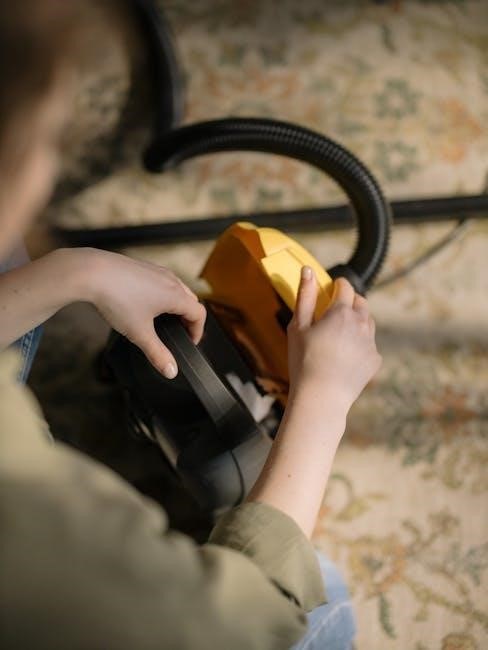
Detailed diagrams within the manual illustrate the pump’s internal components, aiding in disassembly and reassembly procedures when servicing is required. Furthermore, the manual outlines procedures for checking oil levels, inspecting seals, and identifying potential wear and tear. Proper maintenance of the vacuum pump unit, as described, is crucial for maintaining optimal system performance and extending the equipment’s lifespan. The manual also references related power connections.
Control Panel and Interface
The Power Flight Vacuum P455’s control panel serves as the central hub for operating and monitoring the entire system. The manual dedicates significant attention to detailing each control element, including buttons, switches, and indicator lights, explaining their respective functions. It emphasizes a clear understanding of the interface for precise parameter adjustments and safe operation.
Detailed schematics illustrate the control connections, aiding in troubleshooting electrical issues. The manual explains how to navigate the interface to access critical system data, such as vacuum levels, pump speed, and operational status. It also outlines procedures for setting operational parameters, referencing the importance of adhering to specified ranges. Proper utilization of the control panel, as described, is vital for maximizing system efficiency and ensuring reliable performance, alongside power connections.
Filtration System
The Power Flight Vacuum P455 incorporates a multi-stage filtration system crucial for maintaining vacuum integrity and protecting the pump. The manual provides a comprehensive overview of each filter stage, detailing its specific function and recommended replacement intervals. It stresses the importance of using only approved filter types to prevent system contamination and ensure optimal performance.
Diagrams illustrate the filter arrangement and access points for easy maintenance. The manual explains procedures for inspecting filters for damage or clogging, and outlines the correct method for safe removal and disposal. Proper filter maintenance, as detailed, is essential for prolonging the lifespan of the vacuum pump and maintaining consistent vacuum levels, alongside control connections and commands as referenced in related documentation.

Installation Procedures
The Power Flight Vacuum P455 manual emphasizes pre-installation review of documentation, covering site requirements, power connections, and initial system setup procedures.
Site Requirements
The Power Flight Vacuum P455 manual outlines crucial site preparation considerations for optimal performance and longevity of the system. Adequate space must be allocated to accommodate the vacuum pump unit, control panel, and filtration system, ensuring sufficient clearance for maintenance access.
Environmental factors are also paramount; the installation area should be well-ventilated to dissipate heat generated during operation and protected from extreme temperatures, humidity, and direct sunlight. The floor must be level and capable of supporting the substantial weight of the fully assembled system.
Furthermore, proximity to appropriate power sources is essential, alongside considerations for grounding requirements as detailed in the electrical safety section of the manual. Proper site selection directly impacts the efficiency and reliability of the P455 vacuum system.
Power Connections and Grounding
The Power Flight Vacuum P455 manual emphasizes strict adherence to electrical safety protocols during power connections and grounding procedures. The system requires a dedicated power circuit with the specified voltage and amperage, as detailed in the technical specifications.
All connections must be performed by a qualified electrician, ensuring compliance with local electrical codes. Proper grounding is critical for preventing electrical shock and ensuring stable system operation. The manual provides detailed diagrams illustrating correct grounding techniques, utilizing a dedicated grounding wire connected to a verified earth ground.
Failure to follow these instructions could result in equipment damage, personal injury, or voiding of the warranty. Always disconnect power before performing any electrical work.
Initial System Setup
The Power Flight Vacuum P455 manual outlines a meticulous initial system setup procedure. Following power connections and grounding (refer to section 3.2), verify all connections are secure before powering on. Initial startup requires confirming the filtration system is correctly installed and sealed, preventing potential contamination.
The control panel should be initialized according to the manual’s step-by-step guide, including parameter verification. Before commencing operation, a leak test is mandatory, utilizing the integrated diagnostic tools. This ensures optimal vacuum performance and prevents system inefficiencies.
Document all setup parameters and test results for future reference and troubleshooting. Refer to the manual’s diagrams for correct component placement.
Operating Instructions
The Power Flight Vacuum P455 manual provides detailed startup, shutdown, and parameter adjustment procedures, alongside guidance for monitoring system performance effectively.
Startup and Shutdown Procedures
Prior to initiating operation of the Power Flight Vacuum P455, a thorough review of the manual is essential. Startup involves verifying all power connections and grounding are secure, as detailed in the referenced diagrams. Begin by activating the main power switch on the control panel, followed by the vacuum pump unit.
Allow the system to stabilize for the period specified in the manual before commencing any operational tasks. Shutdown procedures require reversing this process: deactivate the vacuum pump, then the main power switch. Always ensure complete system depressurization before disconnecting any components or performing maintenance. Refer to the manual’s control command section for precise sequences. Failure to adhere to these procedures may result in damage or operational inefficiencies.
Parameter Settings and Adjustments
The Power Flight Vacuum P455 manual provides comprehensive guidance on parameter settings. Adjustments are made via the control panel interface, allowing for precise control of operational characteristics. Key parameters include vacuum level, pump speed, and filtration settings, all explained within the manual’s detailed explanations.
Carefully review the manual before altering any settings, as incorrect adjustments can impact system performance. The manual references specific operating instructions for various applications. Utilize the provided diagrams to understand the relationship between control commands and parameter changes. Regular monitoring of system performance, as described in the manual, is crucial to optimize settings and ensure efficient operation. Always document any adjustments made for future reference.
Monitoring System Performance
The Power Flight Vacuum P455 manual emphasizes consistent performance monitoring. Utilize the control panel interface to observe critical parameters like vacuum levels and pump speed, as detailed in the operating instructions. Regular checks, as outlined in the manual, help identify potential issues early on.
Document all readings and any deviations from expected values. The manual references diagnostic procedures for troubleshooting common problems. Pay close attention to filtration system indicators, ensuring optimal efficiency. Consistent monitoring, coupled with the manual’s guidance, ensures reliable operation and extends the lifespan of the P455 system. Refer to the manual’s diagrams for understanding control command impacts on performance.

Maintenance and Troubleshooting
The Power Flight Vacuum P455 manual provides a routine schedule, common issue solutions, and diagnostic procedures for optimal system upkeep and repair.
Routine Maintenance Schedule
The Power Flight Vacuum P455 manual emphasizes a proactive maintenance approach to ensure longevity and peak performance. Daily checks should include visual inspections of all connections – power, control, and vacuum lines – verifying secure fittings and the absence of damage. Weekly, the filtration system requires assessment; replace filters according to usage and manufacturer guidelines detailed within the manual.
Monthly procedures involve a comprehensive system review, including pump unit lubrication (refer to specific lubricant recommendations in the manual), and a thorough cleaning of the control panel interface. Quarterly, conduct performance diagnostics, comparing readings against baseline values established during initial setup. Annual servicing, performed by qualified personnel, necessitates a complete system overhaul, encompassing all components and adherence to the detailed procedures outlined in the Power Flight Vacuum P455 manual.
Common Issues and Solutions
The Power Flight Vacuum P455 manual addresses frequent operational challenges. Reduced vacuum pressure often stems from filter blockage; promptly replace them. Erratic readings on the control panel may indicate loose connections – meticulously check all wiring as detailed in the manual’s diagrams. Unusual pump noises suggest potential lubrication issues; consult the manual for approved lubricant types and application procedures.
If the system fails to start, verify power connections and grounding, referencing the manual’s electrical safety section. Intermittent operation could signal a failing component; diagnostic procedures outlined in the Power Flight Vacuum P455 manual will help pinpoint the source. Always prioritize safety and consult qualified technicians for complex repairs, adhering strictly to the manual’s guidelines.
Diagnostic Procedures
The Power Flight Vacuum P455 manual provides a systematic approach to troubleshooting. Begin by verifying power supply and grounding, referencing connection diagrams. Utilize the control panel interface to monitor system parameters; deviations indicate potential faults. Inspect the filtration system for blockages, a common cause of reduced performance.
For pump-related issues, listen for unusual noises and consult the manual’s troubleshooting guide. Electrical oscillations, as referenced in related research, may necessitate professional assessment. Document all diagnostic steps and readings for accurate reporting. The Power Flight Vacuum P455 manual emphasizes safety; disconnect power before internal inspections. If issues persist, contact qualified technicians for advanced diagnostics and repairs.

Technical Specifications
The Power Flight Vacuum P455 manual details comprehensive specifications. While precise figures aren’t directly available from the provided text snippets, the system’s complexity suggests detailed parameters. Expect documentation covering power requirements, vacuum pump capacity (likely measured in m3/hr), and filtration efficiency ratings.
The manual likely includes dimensions, weight, and operating temperature ranges. Referenced research on hydro-power and electrical oscillations implies sophisticated control systems. Expect specifications for control panel interfaces and data logging capabilities. Publications referencing page counts (432, 154, 534, 184) suggest extensive documentation. The Power Flight Vacuum P455 manual will outline compliance with relevant safety standards and certifications.