Vegetarian bodybuilding is gaining traction, challenging the notion that meat is essential for muscle growth.
Many individuals are successfully building strength and size utilizing plant-based diet plans.
This approach requires careful planning, focusing on complete proteins and essential nutrients often associated with animal products.
Discover how to optimize your vegetarian meal plan for peak performance.
Numerous resources, including vegetarian bodybuilding meal plan pdf guides, are available to help navigate this dietary style.
Embrace a sustainable and effective path to achieving your fitness goals through plant-powered nutrition.
The Growing Trend of Plant-Based Muscle Building
Plant-based muscle building is experiencing a significant surge in popularity, fueled by increased awareness of health, ethical, and environmental concerns. Historically, bodybuilding culture heavily emphasized high animal protein intake, but this paradigm is shifting. More athletes are demonstrating that substantial muscle gains are achievable – and sustainable – through a well-planned vegetarian diet.
The accessibility of information, including detailed vegetarian bodybuilding meal plan pdf resources, plays a crucial role in this trend. These plans debunk myths surrounding protein sufficiency and provide practical guidance on nutrient timing and food combinations. Individuals are discovering that a diverse range of plant-based foods – lentils, beans, tofu, tempeh, quinoa, and various vegetables – can effectively support muscle protein synthesis.
Social media and online communities further amplify this movement, showcasing success stories and fostering a supportive environment. The growing availability of plant-based protein powders and convenient meat alternatives also contributes to the ease and appeal of this lifestyle. This isn’t merely a fad; it represents a fundamental shift in understanding optimal athletic nutrition.
Addressing Common Concerns and Myths
Several misconceptions surround vegetarian bodybuilding, primarily concerning protein intake and bioavailability. A frequent concern is whether plant-based proteins provide sufficient amino acids for muscle repair and growth. However, strategic combinations of foods – like beans and rice – create complete protein profiles, effectively addressing this issue.
Another myth suggests that vegetarian diets lack essential nutrients crucial for athletic performance, such as iron and vitamin B12. While these nutrients may require conscious attention, they are readily obtainable through fortified foods or supplementation. Detailed vegetarian bodybuilding meal plan pdf guides often incorporate strategies for optimizing nutrient absorption.
Furthermore, some believe plant-based diets don’t provide enough calories for intense training. This is easily rectified by increasing portion sizes and incorporating healthy fats. Ultimately, dispelling these myths requires education and a commitment to informed dietary planning, proving that a plant-based approach can be incredibly effective.
Key Nutrients for Vegetarian Bodybuilders
Vegetarian bodybuilding demands a focused approach to nutrient intake, prioritizing protein, iron, and B12. A well-structured vegetarian bodybuilding meal plan pdf is crucial.
Optimizing these elements ensures adequate support for muscle growth, recovery, and overall athletic performance on a plant-based diet.
Protein Sources: Beyond Meat and Eggs
Vegetarian bodybuilding thrives on diverse protein sources, moving beyond traditional meat and eggs. A comprehensive vegetarian bodybuilding meal plan pdf will highlight these alternatives.
Tofu and tempeh stand out as complete proteins, incredibly versatile for various dishes. They readily absorb flavors, making them adaptable to any palate. Lentils and beans offer an affordable and nutrient-rich option, packed with fiber and complex carbohydrates alongside protein.
Don’t overlook quinoa and other complete protein grains like amaranth and buckwheat. These provide all nine essential amino acids, crucial for muscle repair and growth. Combining different plant proteins throughout the day ensures a complete amino acid profile. Greek yogurt, for lacto-vegetarians, is another excellent source.
Strategic planning, guided by a detailed meal plan, is key to hitting protein targets effectively. Prioritize these plant-based powerhouses to fuel your bodybuilding journey.
Tofu and Tempeh: Versatile Protein Powerhouses
Tofu and tempeh are cornerstones of a successful vegetarian bodybuilding meal plan pdf, offering complete protein profiles essential for muscle synthesis. Tofu, made from soybean curds, is incredibly versatile, absorbing marinades and flavors beautifully.
Its mild taste allows for integration into countless dishes – stir-fries, scrambles, even desserts! Tempeh, a fermented soybean product, boasts a firmer texture and a slightly nutty flavor. Fermentation enhances digestibility and nutrient absorption.
Both are excellent sources of iron and calcium, vital for energy levels and bone health. A well-structured meal plan will demonstrate how to incorporate these into breakfast, lunch, and dinner. Experiment with different preparations – baked, fried, or crumbled – to keep your meals exciting.
Utilizing tofu and tempeh consistently ensures adequate protein intake, supporting muscle growth and recovery.
Lentils and Beans: Affordable and Nutrient-Rich
Lentils and beans are budget-friendly staples for any vegetarian bodybuilding meal plan pdf, providing a substantial protein boost alongside complex carbohydrates and fiber. These legumes are nutritional powerhouses, contributing to sustained energy levels and digestive health.

Different varieties – black beans, kidney beans, chickpeas, red lentils – offer diverse flavors and textures, preventing mealtime monotony. They’re also packed with iron, zinc, and folate, crucial for optimal performance and recovery.
Incorporating lentils and beans into soups, stews, salads, or as a side dish is simple and effective. Pre-cooked options offer convenience for busy schedules. Remember to combine them with grains to create complete protein sources.
A well-designed meal plan will highlight the versatility and affordability of these essential ingredients.
Quinoa and Other Complete Protein Grains
For a comprehensive vegetarian bodybuilding meal plan pdf, incorporating complete protein grains like quinoa is paramount. Unlike many plant-based sources, quinoa contains all nine essential amino acids, making it a superior choice for muscle repair and growth.
Beyond quinoa, amaranth and buckwheat also offer complete protein profiles, diversifying your dietary intake. These grains provide sustained energy due to their complex carbohydrate content, fueling intense workouts and aiding recovery.
They’re incredibly versatile – use them as a base for bowls, in salads, or as a side dish. Consider incorporating these grains into breakfast for a protein-packed start to the day.
A thoughtfully constructed meal plan will leverage these grains to ensure adequate protein consumption and optimize athletic performance.
Essential Amino Acids and Vegetarian Diets
A successful vegetarian bodybuilding meal plan pdf hinges on understanding essential amino acids. These building blocks of protein are crucial for muscle protein synthesis, yet not all plant sources contain adequate amounts of each.
Vegetarian bodybuilders must strategically combine foods to achieve a complete amino acid profile. This concept, known as protein combining, involves pairing foods like legumes with grains to provide all nine essential amino acids.
Lysine, often limited in grains, is abundant in legumes. Conversely, methionine, sometimes lacking in legumes, is plentiful in grains. This synergistic effect maximizes protein utilization.
Careful planning, guided by a detailed meal plan, ensures sufficient intake of all essential amino acids, supporting optimal muscle growth and recovery on a plant-based diet.
The Importance of Iron and Vitamin B12

A comprehensive vegetarian bodybuilding meal plan pdf must address potential deficiencies in iron and vitamin B12, critical for energy levels and muscle function. Plant-based iron (non-heme iron) is less readily absorbed than heme iron from animal sources.
Enhance iron absorption by consuming iron-rich foods – lentils, spinach, tofu – alongside vitamin C sources like citrus fruits or bell peppers. This combination significantly boosts bioavailability.
Vitamin B12 is primarily found in animal products, posing a challenge for vegetarians. Fortified foods (plant milks, cereals) and B12 supplements are essential to prevent deficiency, impacting nerve function and red blood cell production.
Regular monitoring of iron and B12 levels, coupled with a well-structured meal plan, ensures optimal health and performance for vegetarian bodybuilders.

Sample 7-Day Vegetarian Bodybuilding Meal Plan
Vegetarian bodybuilding meal plan pdf resources often showcase structured plans. These plans prioritize protein intake and strategic carbohydrate timing for muscle recovery and growth.
A typical week incorporates diverse plant-based protein sources, complex carbohydrates, and healthy fats. Adjust portion sizes based on individual caloric needs.
Explore sample plans to gain insights into meal timing and food combinations, optimizing your nutritional approach for bodybuilding success.
Day 1-3: Focusing on Complex Carbohydrates
Vegetarian bodybuilding meal plan pdf guides frequently emphasize carbohydrate loading during the initial phase, typically days 1-3. This strategy prioritizes replenishing glycogen stores, providing sustained energy for intense workouts. Breakfast options might include oatmeal with nuts and banana, delivering slow-releasing carbohydrates and healthy fats.
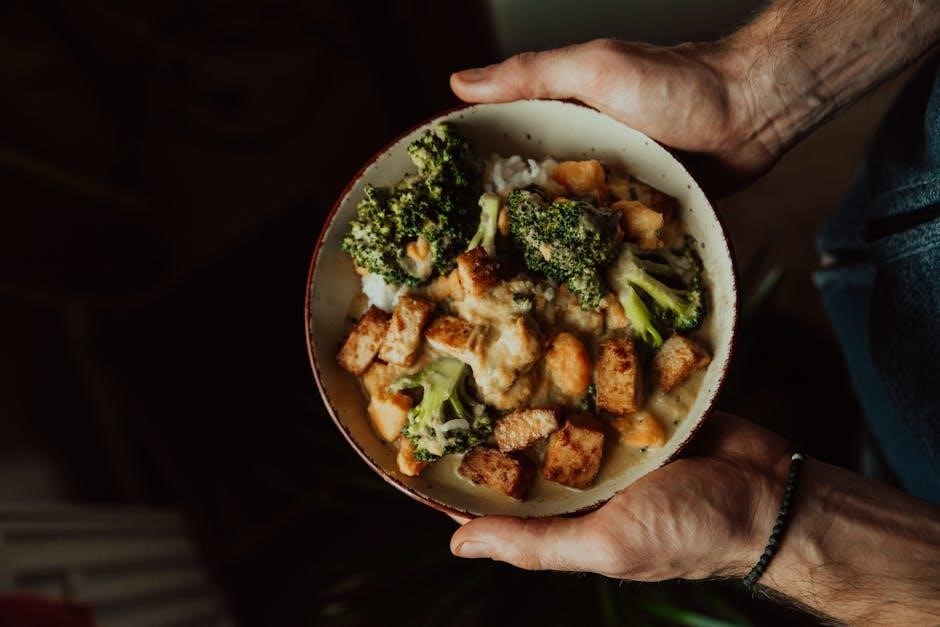
Lunch could consist of a quinoa salad with chickpeas and spinach, offering a complete protein source alongside complex carbohydrates and essential vitamins. Dinner should feature sweet potatoes, broccoli, and lentils – a powerhouse combination of nutrients. Snacks between meals can include fruits like mango or pineapple, providing quick energy boosts.
Hydration is crucial; aim for ample water intake throughout the day. These first three days establish a foundation of energy, preparing the body for increased protein intake in the subsequent phase. Remember to adjust portion sizes based on your individual caloric requirements and activity level, as detailed in your chosen vegetarian bodybuilding meal plan pdf.
Day 4-7: Increasing Protein Intake
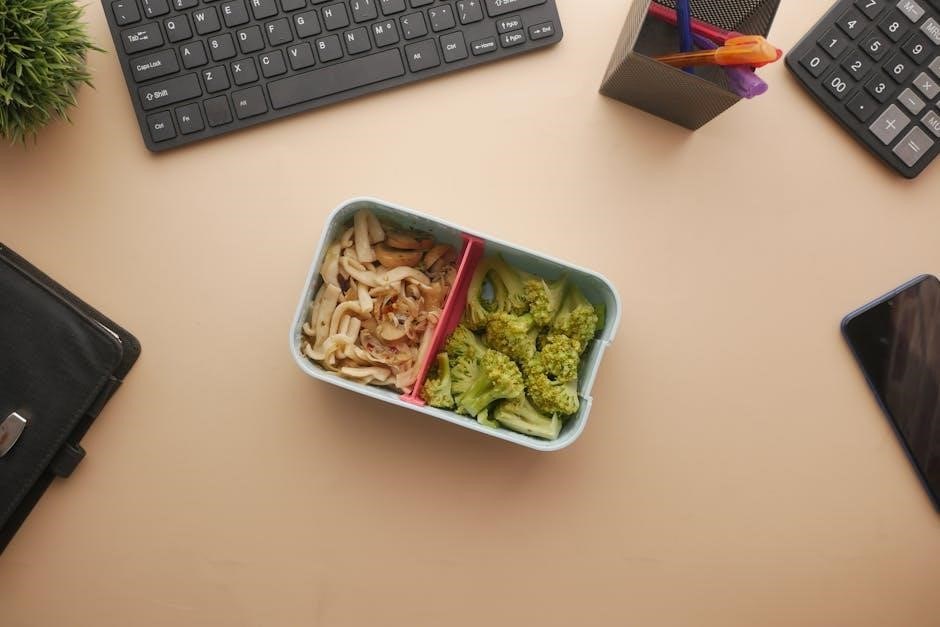
As outlined in many vegetarian bodybuilding meal plan pdf resources, days 4-7 shift the focus towards maximizing protein consumption to support muscle repair and growth. Breakfast could incorporate tofu scramble with spinach and whole-wheat toast, providing a substantial protein boost. Lunch options might include lentil soup paired with a side of tempeh, ensuring a continued supply of amino acids.
Dinner should center around a bean and vegetable stir-fry with brown rice, offering a balanced meal rich in protein and complex carbohydrates. Strategic snacking is vital; consider Greek yogurt or a handful of cashews to maintain a positive nitrogen balance.
Remember to consult your vegetarian bodybuilding meal plan pdf for specific portion sizes tailored to your weight and training intensity. Prioritizing protein during this phase is crucial for optimizing muscle protein synthesis and achieving desired results. Consistent hydration remains paramount throughout these final days.
Macronutrient Breakdown for Muscle Gain
Macronutrient ratios are key for vegetarian bodybuilding, detailed in many meal plan pdf guides. Prioritize protein, strategically cycle carbohydrates, and include healthy fats;
Calculating individual needs based on weight and activity level is essential for optimal muscle growth and recovery.
Calculating Your Daily Protein Needs
Determining your daily protein intake is paramount for successful vegetarian bodybuilding, and a well-structured vegetarian bodybuilding meal plan pdf will often provide guidance. Generally, aim for 1.6 to 2.2 grams of protein per kilogram of body weight (or 0.73 to 1 gram per pound).
This range supports muscle protein synthesis and recovery, crucial for growth. However, individual needs vary based on training intensity, experience level, and overall caloric intake. Beginners may benefit from the higher end of the range, while experienced lifters might require slightly less.
Consider your activity level; more intense training demands more protein. Spread your protein intake evenly throughout the day, consuming approximately 20-40 grams per meal to maximize absorption. Utilize a meal plan pdf to track your intake and ensure you’re consistently meeting your protein goals. Don’t underestimate the importance of consistent protein consumption for optimal results!
Carbohydrate Cycling for Optimal Energy
Carbohydrate cycling strategically adjusts carbohydrate intake based on training days, enhancing energy levels and optimizing body composition. A detailed vegetarian bodybuilding meal plan pdf can illustrate this effectively. On high-intensity training days, prioritize complex carbohydrates like quinoa, sweet potatoes, and brown rice to fuel workouts and replenish glycogen stores.
Conversely, on rest days or low-intensity days, reduce carbohydrate intake, focusing on protein and healthy fats. This encourages fat utilization for energy. This isn’t about eliminating carbs, but rather timing them strategically.
A sample plan might involve higher carb intake pre- and post-workout, with lower intake at other times. Utilizing a meal plan pdf helps track carb intake and ensures you’re aligning it with your training schedule. Experiment to find what carbohydrate cycling approach best suits your body and goals.
Healthy Fats: Supporting Hormone Production
Healthy fats are crucial for hormone production, particularly testosterone, vital for muscle growth and recovery in vegetarian bodybuilding. A comprehensive vegetarian bodybuilding meal plan pdf should detail incorporating these essential fats. Prioritize sources like avocados, nuts (walnuts, almonds), seeds (chia, flax), and olive oil.
These fats provide the building blocks for hormones and aid in nutrient absorption. Don’t shy away from fats; they are not the enemy! Aim for approximately 20-30% of your daily calories from healthy fat sources.
A well-structured meal plan pdf will outline appropriate portion sizes to meet your individual needs. Omega-3 fatty acids, found in flaxseeds and walnuts, are particularly beneficial for reducing inflammation and supporting overall health. Remember, quality over quantity is key when selecting fat sources.
Supplementation for Vegetarian Bodybuilders
Supplementation can bridge nutritional gaps in a vegetarian bodybuilding meal plan pdf.
Creatine, Vitamin D, and B12 are often recommended to optimize performance and recovery.
Plant-based protein powders offer convenience, while Omega-3s support overall health.
Carefully consider your individual needs and consult a professional for guidance.
Creatine: Enhancing Strength and Power
Creatine monohydrate is arguably the most researched and effective supplement for enhancing strength, power, and muscle mass, even within a well-structured vegetarian bodybuilding meal plan pdf. Unlike some nutrients potentially lacking in plant-based diets, creatine isn’t directly obtained from plant sources in significant quantities, making supplementation particularly beneficial for vegetarians.
It works by increasing phosphocreatine stores in muscles, allowing for more ATP production during high-intensity exercise. This translates to improved performance during weightlifting sessions, enabling you to lift heavier weights and perform more repetitions. Furthermore, creatine draws water into muscle cells, contributing to a volumizing effect and potentially stimulating protein synthesis.
A typical dosage involves a loading phase of 20 grams per day for 5-7 days, followed by a maintenance dose of 3-5 grams daily. While some individuals may experience mild water retention, creatine is generally considered safe for healthy individuals. Integrating creatine into your regimen, alongside a comprehensive vegetarian meal plan, can significantly amplify your results.
Vitamin D and Omega-3 Fatty Acids
Vitamin D and Omega-3 fatty acids are crucial for overall health and performance, often requiring supplementation for those following a vegetarian bodybuilding meal plan pdf. Vitamin D, primarily obtained from sunlight and fortified foods, plays a vital role in calcium absorption, bone health, and immune function – all essential for recovery and muscle function.
Many vegetarians, particularly those living in northern latitudes or with limited sun exposure, are at risk of deficiency. Omega-3s, specifically EPA and DHA, are important for reducing inflammation, supporting brain health, and improving cardiovascular function. Plant-based sources like flaxseeds contain ALA, which the body converts to EPA and DHA, but the conversion rate is often low.
Consider supplementing with Vitamin D3 and an algae-based Omega-3 supplement to ensure adequate intake. These additions, alongside a well-planned vegetarian diet, will optimize your health and maximize your bodybuilding potential.
Plant-Based Protein Powders: A Convenient Option
Plant-based protein powders offer a convenient solution for vegetarian bodybuilders aiming to meet their increased protein needs, especially when following a detailed vegetarian bodybuilding meal plan pdf. These powders provide a quick and easily digestible source of protein post-workout or as a meal replacement.
Several options are available, including soy protein, pea protein, brown rice protein, hemp protein, and blends combining multiple sources for a complete amino acid profile. Pea protein is a popular choice due to its digestibility and hypoallergenic properties. Soy protein, while effective, may be a concern for some due to phytoestrogen content.
When selecting a powder, prioritize those with minimal added sugars and artificial ingredients. Integrating a plant-based protein powder into your diet can significantly simplify reaching your daily protein targets and supporting muscle growth.